
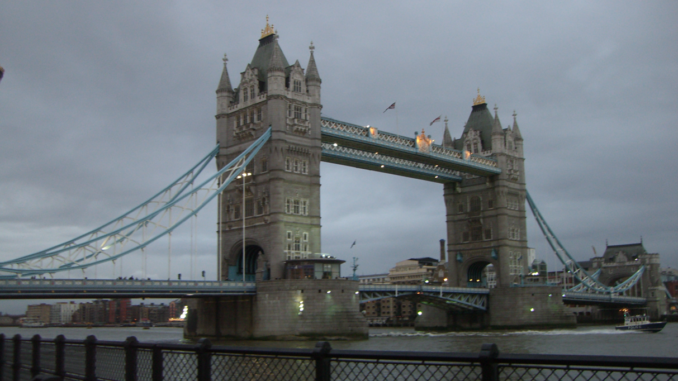
Having been to London many times, the memory that stands out most in my mind is its Subway — or Underground — or Tubes as they are called. And the streets — walking around. And the music clubs and pubs.
And a trip to London is usually a fulcrum for a trip elsewhere in the UK — for example the Malvern Hills (2.5 hours drove to the north), or the beaches of Sussex (a 2-hr drive south) or Cornwall or Devon (a 6-hr drive to the West,) or perhaps a trip that hits multiple cities — London and Paris and Amsterdam for example.
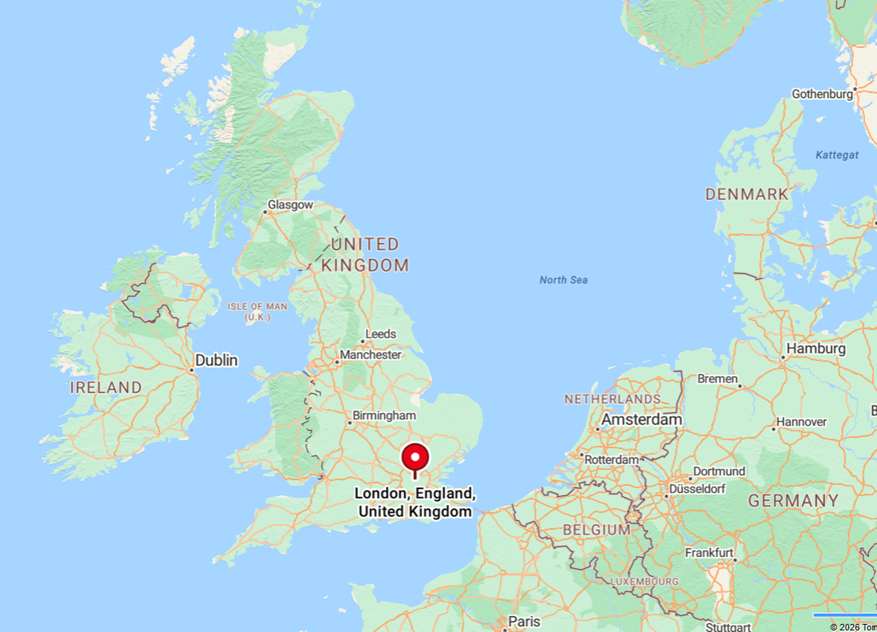
Whatever your trip is — it is good to know where you are in the world at all times — so we begin with the view-from-10,000-feet map:
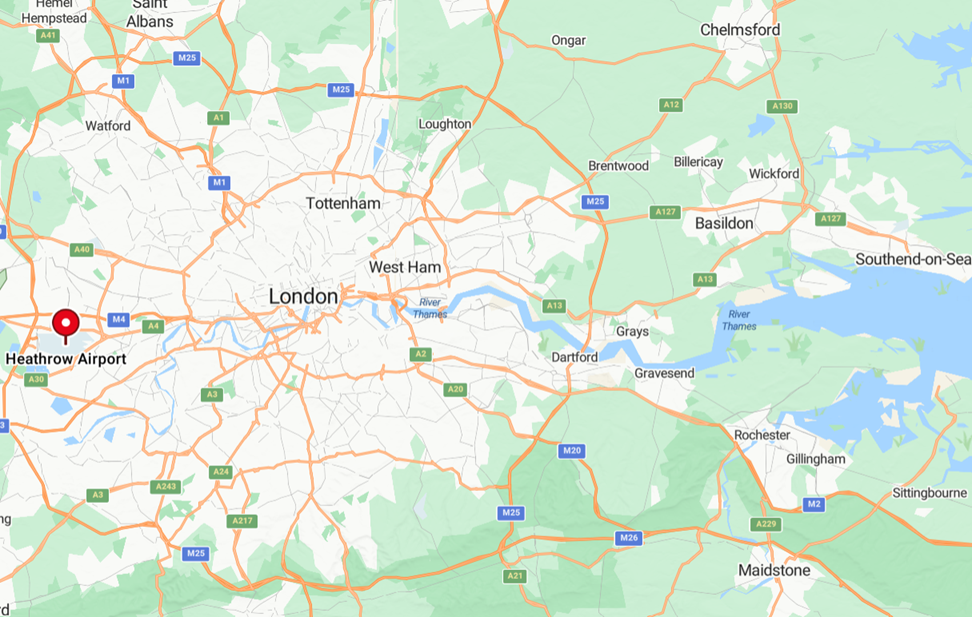
And then the view-from-1000-feet map. The River Thames runs through London and out to the North Sea.
1. Ride the Underground aka The Tube
Riding the Underground — or the Tube as they call it — is a must — and it might be the first thing you do, since you can take the Underground from London’s Heathrow airport to anywhere you want to go in center city. Note however that the London Underground does not run 24×7. It operates from roughly 5 AM to midnight, Monday through Saturday, with limited service on Sundays. Certain main lines do run a “night tube” on Friday and Saturday nights.
Take the Tubes from the Airport to Central London
To take The Tubes from the Airport to center city, you use the Elizabeth Line and you can pick it up from Terminals 2 and 3.
- Time: It takes approximately 28 minutes to get to downtown London (Paddington, Bond Street, Liverpool Street stations).
- Cost: The cost is about £13.5 for adults and £7 for children age 11-15; kids under 11 are free. This is a higher price than a normal ride because of an airport premium surcharge — Heathrow Airport adds a £7.20 surcharge for using the airport’s rail tunnels and infrastructure. If you continue using your card in London until 4:30 AM the next morning, the daily cap is £16.30 for the day.
- How to Pay: simply swipe your credit card at the turnstile, or purchase an Oyster Card from a booth at the station. Avoid paying cash — that will greatly increase the price. You can also optionally buy a Travel Card — which allows unlimited access to the Tubes — but it is typically not necessary as most people will not be using the Tubes enough during a 1-week vacation stay to make it worthwhile.
London Underground has 11 Lines — Color Coded
The London Underground has 11 lines that move among between 272 stations and 250 miles of track. It is over 125 years old and that means — like NYC’s subway — it is hard to maintain. Some stations are pristine — and some are not.
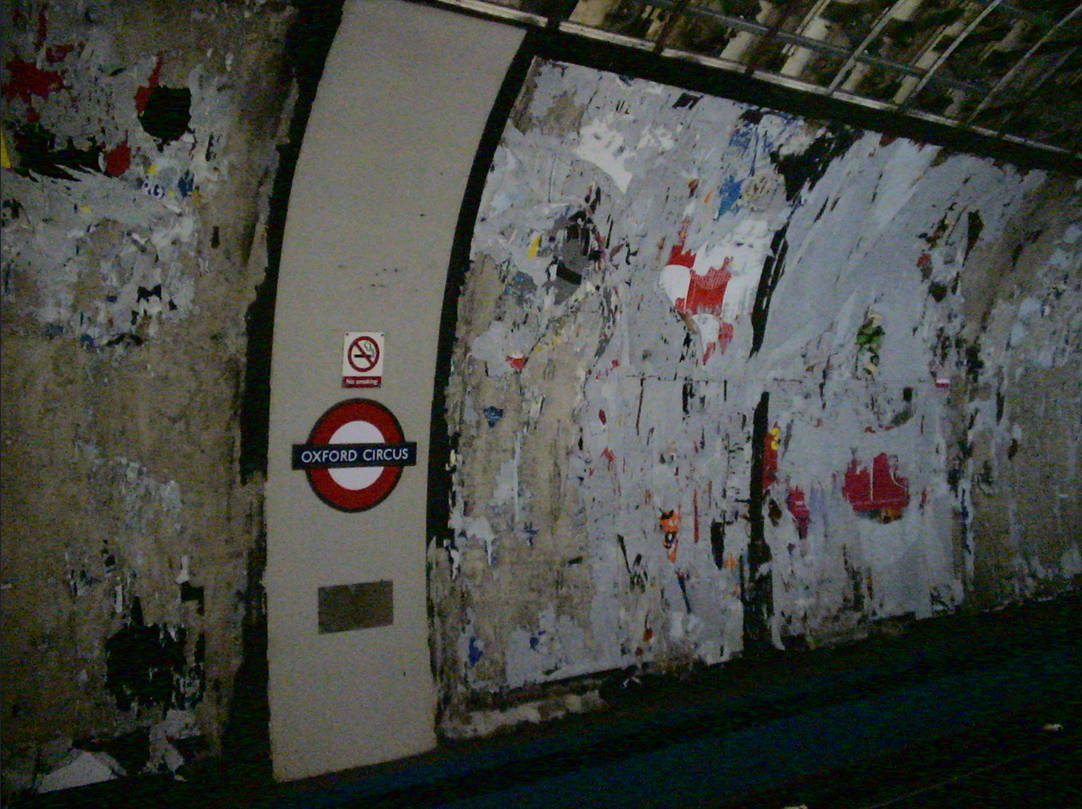
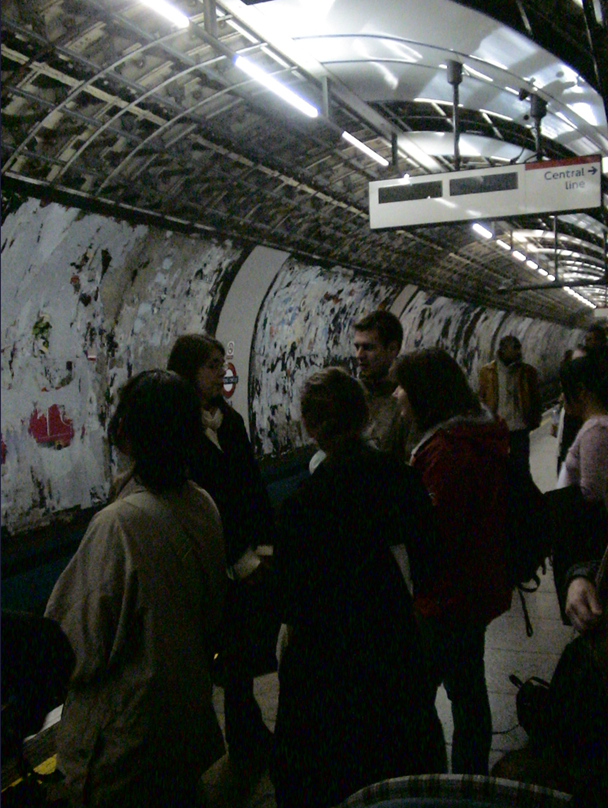
Remember — this is the place where so many English escaped the German bombing in World War II. Some of the stations go way, way down.
The Lines
The Elizabeth line from/to Heathrow Airport is not actually considered one of the official Underground lines. There are 11 lines, each color coded:
- Bakerloo (brown)
- Central (red)
- Circle (yellow)
- District (green)
- Hammersmith & City (pink)
- Jubilee (grey)
- Metropolitan (magenta)
- Northern (black)
- Piccadilly (dark blue)
- Victoria (light blue)
- Waterloo & City (turquoise)
1a. Explore Stations
Choose some stations to explore. Here are the most famous ones:
- Piccadilly Circus – Famous for its vibrant atmosphere, proximity to theatres, shops, and restaurants, and its role as a cultural hub in London.
- Westminster – Located near the Houses of Parliament and Big Ben, this station is notable for its deep-level platforms and striking tile designs that reflect the nearby landmarks.
- Oxford Circus – A major shopping and transit hub, connecting Oxford Street and Regent Street.
- London Bridge – This station connects the Northern and Jubilee lines and is close to the Shard and Borough Market, making it a key station for both commuters and tourists
- Canary Wharf – Known for its futuristic design and vast underground concourse. Has been described as a “sci-fi cathedral” and has appeared in films like Star Wars: Rogue One.
- Baker Street – Famous for its association with Sherlock Holmes, the station features themed tiles and a historic arching brick roof on the platforms.
- Kings Cross St. Pancras – Major transport hub combining the Underground with National Rail and Eurostar services. Features a mix of Victorian architecture and modern design, including a large vaulted steel skylight.
- Waterloo – One of the busiest stations in London, Waterloo connects multiple Underground lines and National Rail services, and is close to the Southbank and London Eye.
- Blackfriars – Redesigned as a station that spans the Thames, with glass walls providing panoramic views.
- Gloucester Road – Known for its classic red-tiled Leslie Green design, this station also hosts temporary art exhibitions on its disused platforms.
- Tottenham Court Road – Has over 1,000 square meters of mosaics by Scottish artist Eduardo Paolozzi.
1b. Explore the Deep-Level Bunker Stations Built for the Blitz in World War II
During World War II, London’s Underground stations were repurposed as air-raid shelters, with some having deep-level bunkers built beneath them to protect civilians from bombing. The most famous of these were part of the London deep-level shelters program, completed in 1942 after the Blitz.
The government built 8 deep-level shelters. They are at the following stations:
- Camden Town (Northern line)
- Goodge Street (Northern line)
- Stockwell (Northern line)
- Clapham North (Northern line)
- Clapham Common (Northern line)
- Clapham South (Northern line) — available to explore via the London Transit Museum’s “Hidden London” tours — but you must book in advance.
- Chancery Lane (Central line)
You cannot go into these shelters on your own — but you can explore Clapham South via London Transit Museum’s “Hidden London Tours”. Life in the shelter is covered in this excellent article by the London Transit Museum.
1c. Book Other “Hidden London” Tours
The London Transit Museums offers guided tours of 12 underground locations — you must book in advance via “Hidden London” tours.
2. Walk the Streets — Know the Neighborhoods
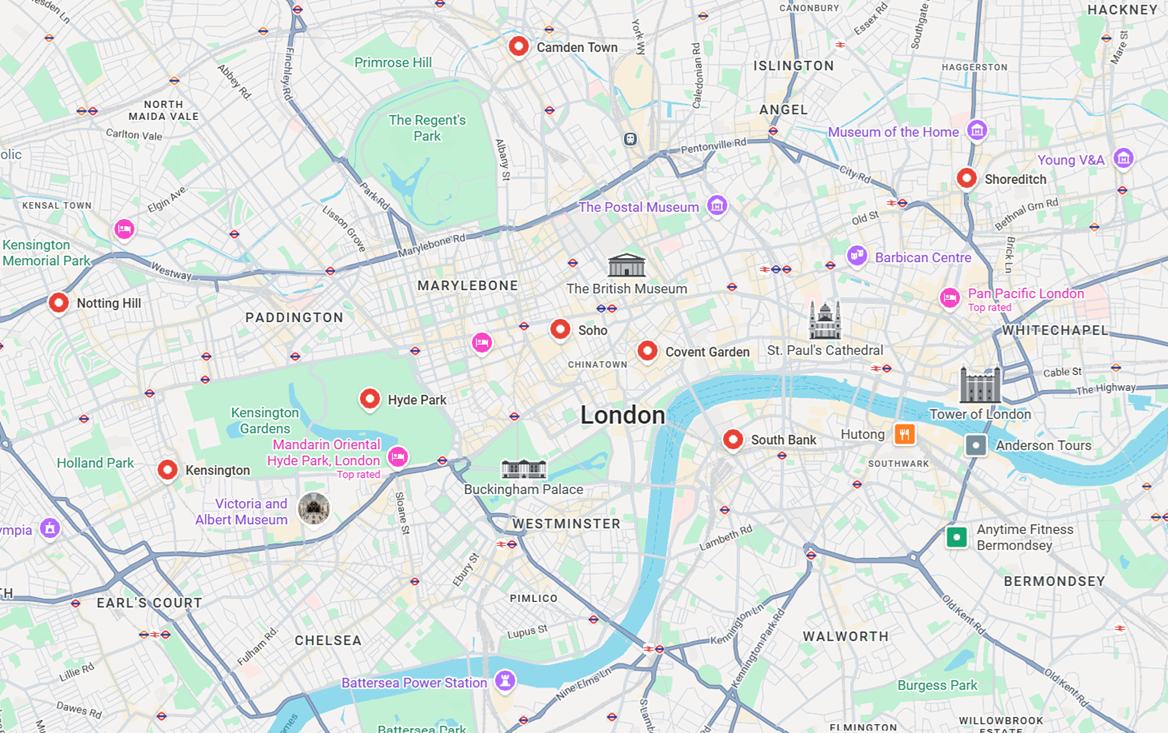
Above ground, London offers a dynamic city full of energy. Spend time walking the neighborhoods and enjoying that energy. Below are ones you should experience. First, a map — the recommended neighborhoods are noted with a red circle:
Tip — Watch for Pickpockets
Before you walk through any of the neighborhoods below, note that London is known for pickpockets, bag snatchers and phone thieves. Make sure you have your hand on your cell phone at all times.
2a. Notting Hill
Notting Hill is a district famous for antique shops, pastel-colored houses, charming streets, cafes, street acts, and energy. It has always been a famous district, but was made known to many with the move Notting Hill.
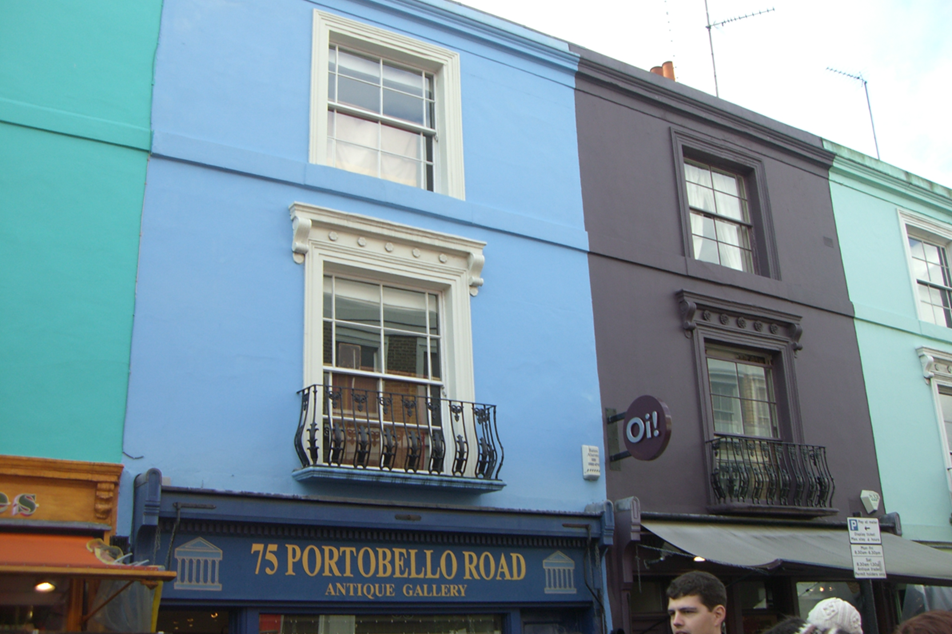
Portobello Road is a good street to walk to take in some of that energy. It runs almost the entire length of Notting Hill from South to North. On Saturdays it is home to Portobello Road Market, one of London’s notable street markets, known for its second-hand clothes, pastries and antiques. Every August since 1996, the Portobello Film Festival has been held in locations around Portobello Road.
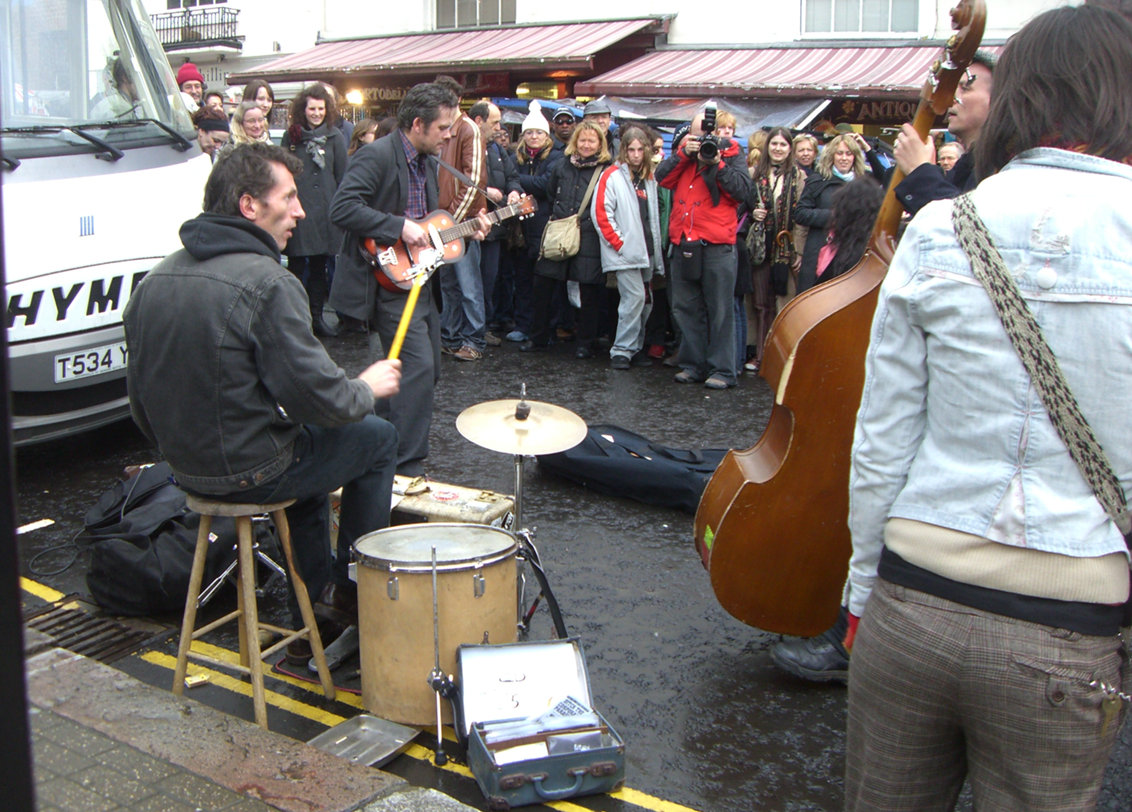
Above is a picture of a band — the Hightown Crows — performing on Portobello Road when I was there with family in 2009 — and below is a video of them taken by our then 14-year-old daughter.
2b. Soho & the West End
Soho is lively and energetic area. It is perfect for evening walks, dining, and exploring the West End — London’s theatre district where you can catch a live play.
2c Covent Gardens
Covent Garden is a high-energy area known for street performers, boutiques, art galleries, good restaurants, cafes, and pubs.
2d. Kensington & South Kensington
Kensington and South Kensington feature Victorian architecture, museums like the Natural History Museum, and beautiful gardens such as Kensington Gardens.
2e. Shoreditch
Soreditch is a neighborhood to the northeast It is a hub for street art, cafes, vintage shops, and so forth.
2f. Camden
Camden is full of canal paths and markets. The canals give it a unique feeling.
2g. South Bank
South Bank stretches along the Thames, providing great views of London’s skyline, including Westminster and the London Eye — which is a big ferris wheel that provides great birds-eye views of London for a fee. However, there are other ways go get great views of the city for free — see end of this article.
2h. Westminster and Mayfair
The Westminster area includes a Mayfair section — considered one of the most affluent and expensive districts in the world. Mayfair is between Oxford Street, Regent Street, Piccadilly and Park Lane. We cover Westminster below — that is where Westminster Abbey, Buckingham Palace, Big Ben and the statue of Churchill are.
3. Check Out the Bridges
London is on the River Thames — and so bridges play a big part of its makeup — including the most famous two bridges the world has ever known: The London Bridge and the Tower Bridge.
London Bridge
London Bridge isn’t what it used to be.
The bridge that they made the nursery rhyme about (“London Bridge is falling down, falling down, falling down”) was the one that existed back in the 1600’s when the nursery rhyme came about. That version of the bridge was completed in 1210 and lasted about 600 years before being replaced by a stone-arched version in the 1800’s.
The medieval version of the London Bridge was a remarkable stone bridge — that was probably falling down constantly — as the English built homes and shops and a chapel on it, and it had a lot of traffic as it served as London’s only river crossing for over 600 years.
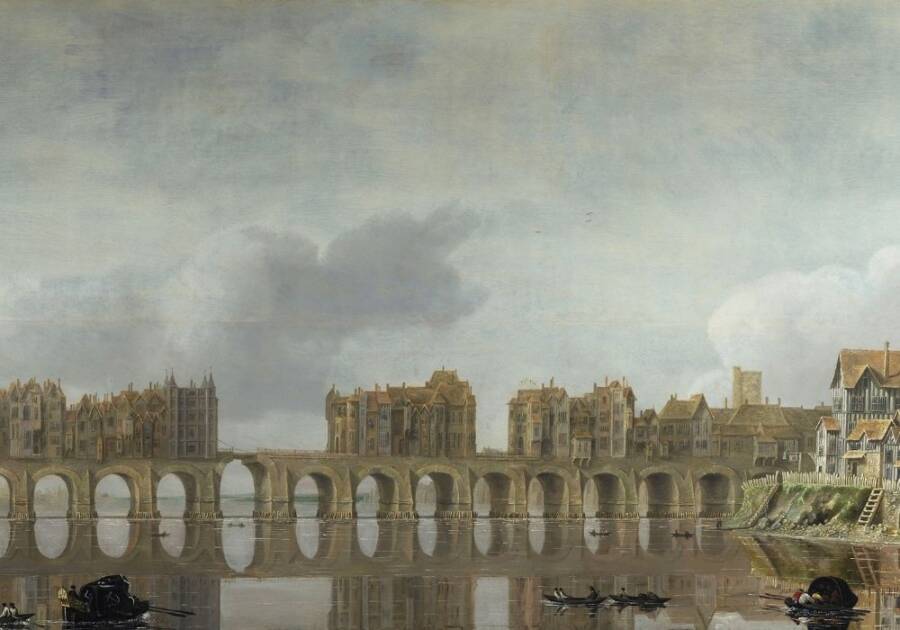
That medieval bridge was replaced by a Victorian-style, stone-arch bridge designed by Sir John Rennie and completed in 1831. That bridge was operational until 1968.
The medieval London Bridge became known as the “Old London Bridge” and the one built in 1831 became known as the “New London Bridge.”
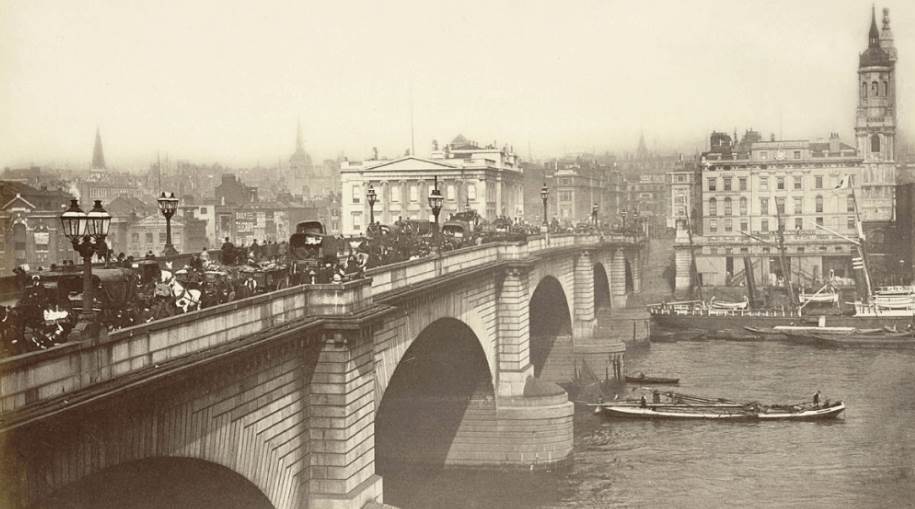
In 1968s, the “New London Bridge” was sold to an American businessman, dismantled and shipped to Lake Havasu City, Arizona where it was reconstructed. It exists there today — in Arizona. It has a Wikipedia page.
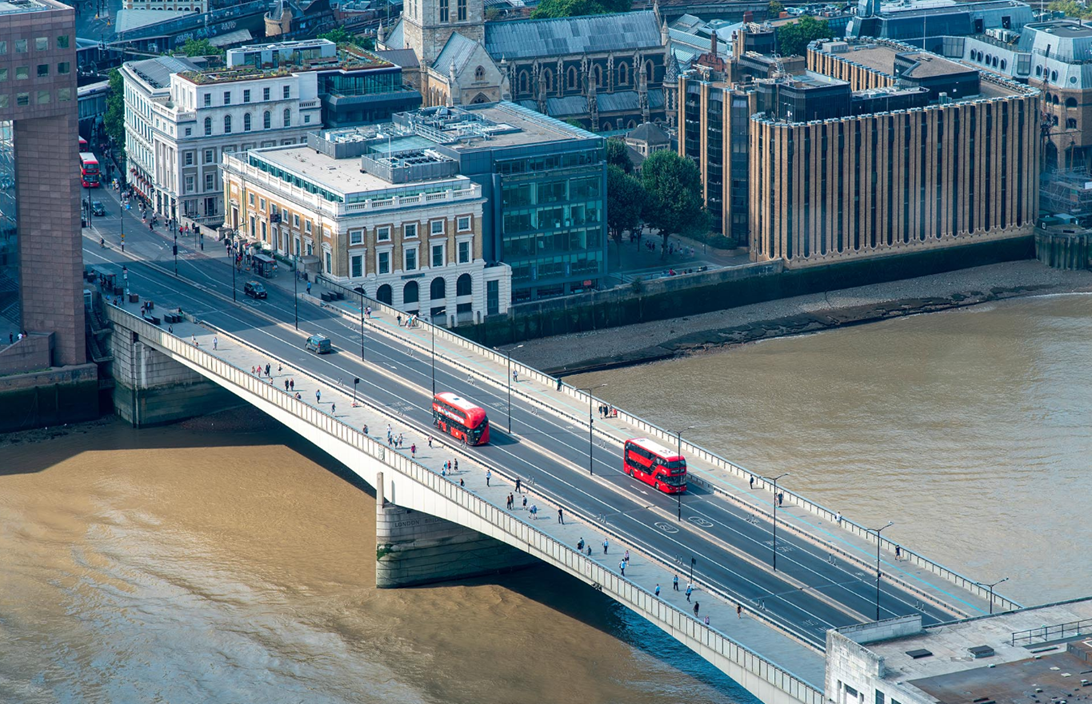
The current crossing, which opened to traffic in 1973, is a box girder bridge built from concrete and steel. It is not much to look at. It is not called the “Newest London Bridge” or the “New London Bridge II” or anything like that — Londoner’s seem to simply call it the London Bridge thinking everyone knows the history.
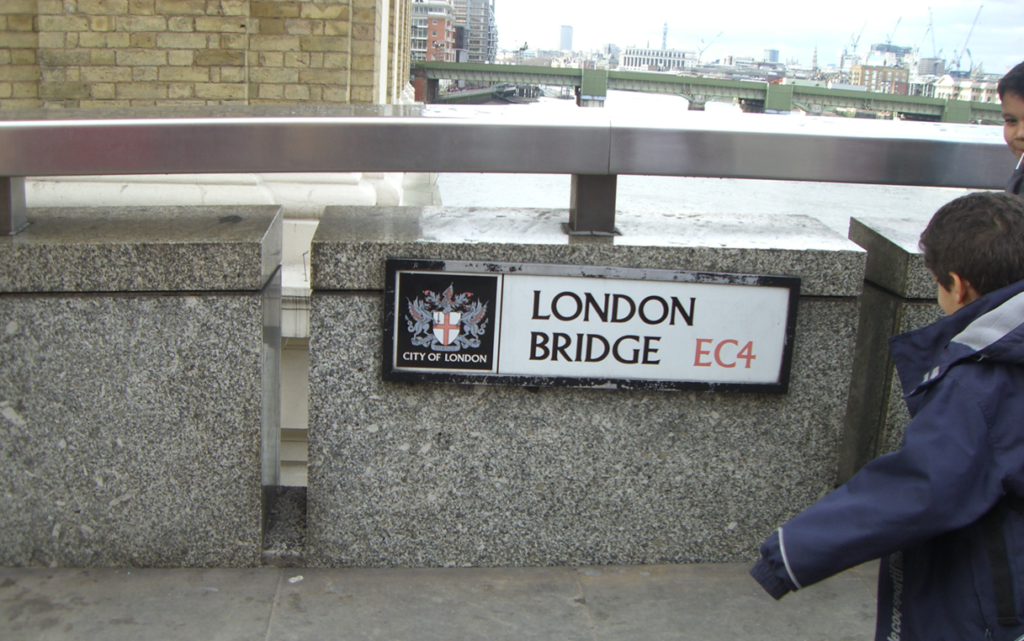
You can walk across the London Bridge. There are signs on the bridge that call it London Bridge.
If you are on the London Bridge and look westward, you will see a bridge that trains pass over called the Cannon Street Railway Bridge, and West of that is the Southwark Bridge (unlabeled to the left below).
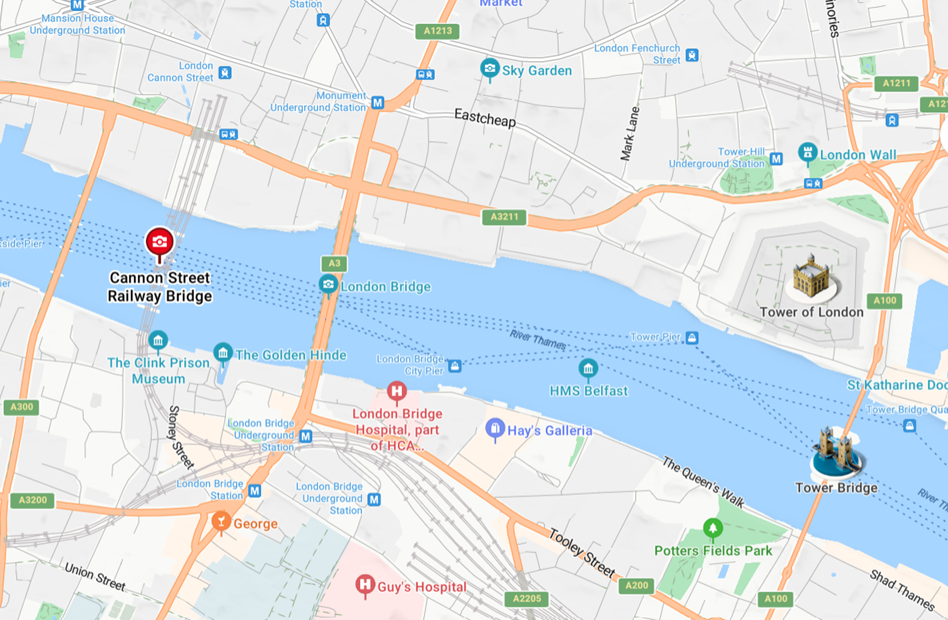
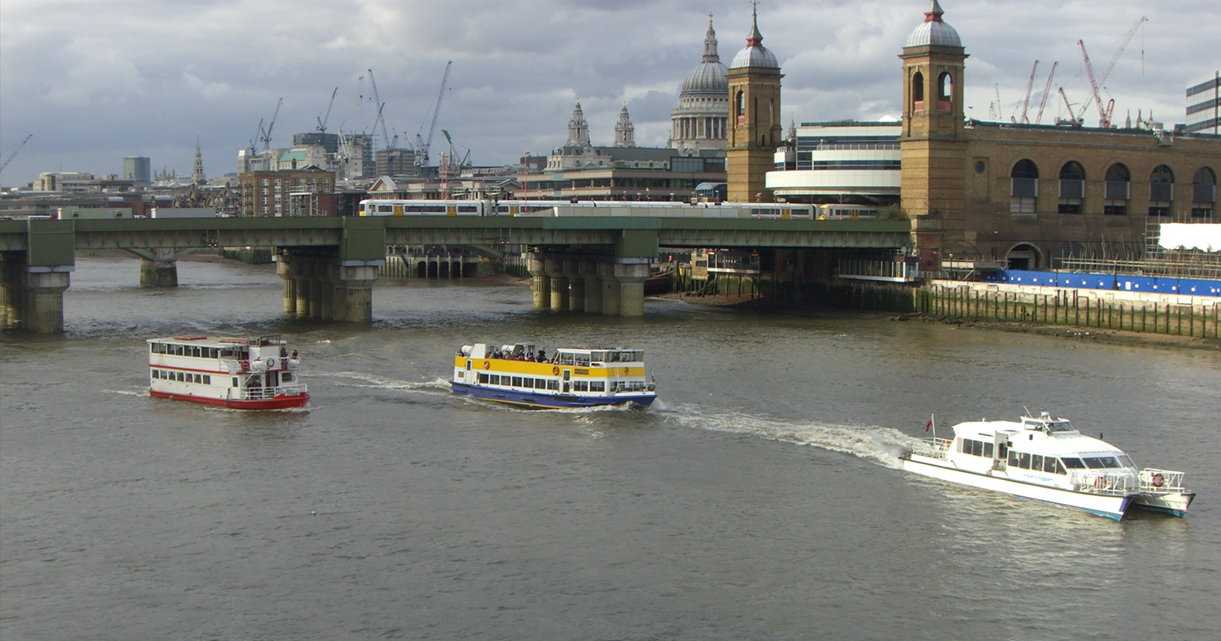
If you are on the current London Bridge and look to the East you will see the famous Tower Bridge.
Tower Bridge
You can — and should — walk across the Tower Bridge.
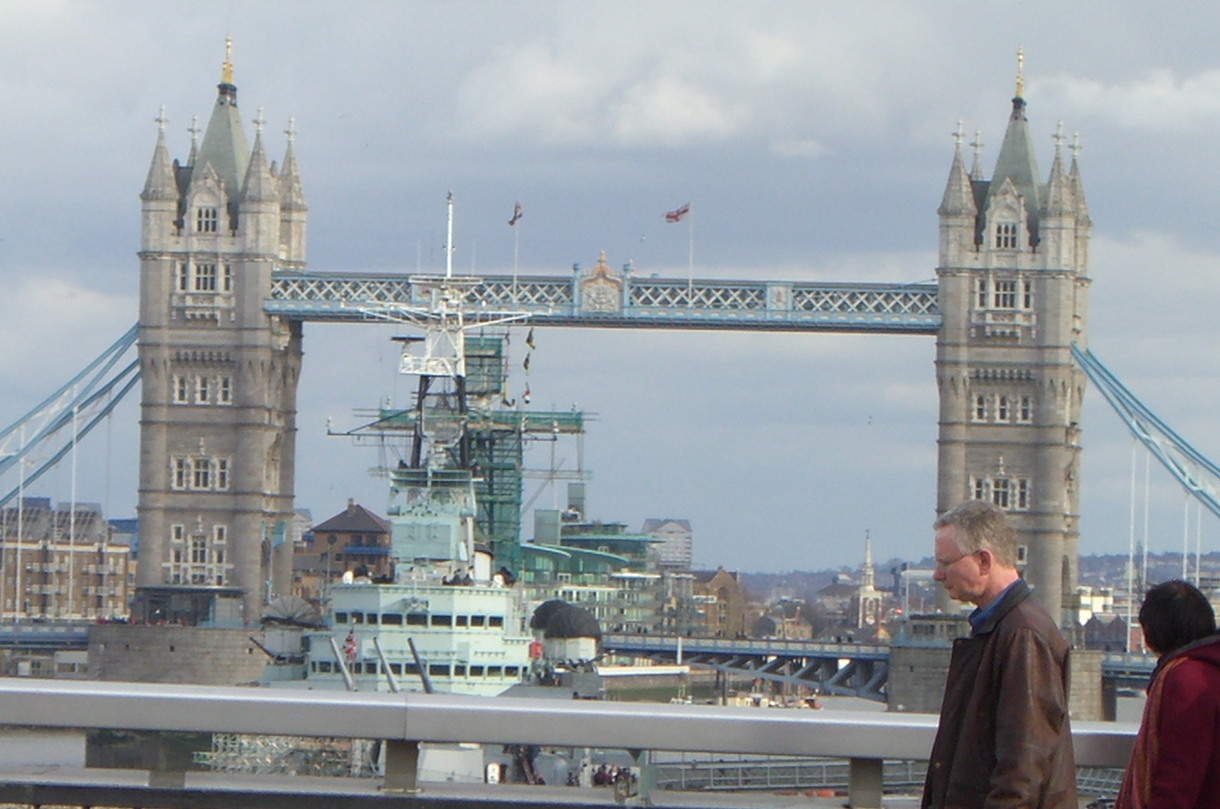
The Tower Bridge was completed in 1894. It of course has a Wikipedia page.
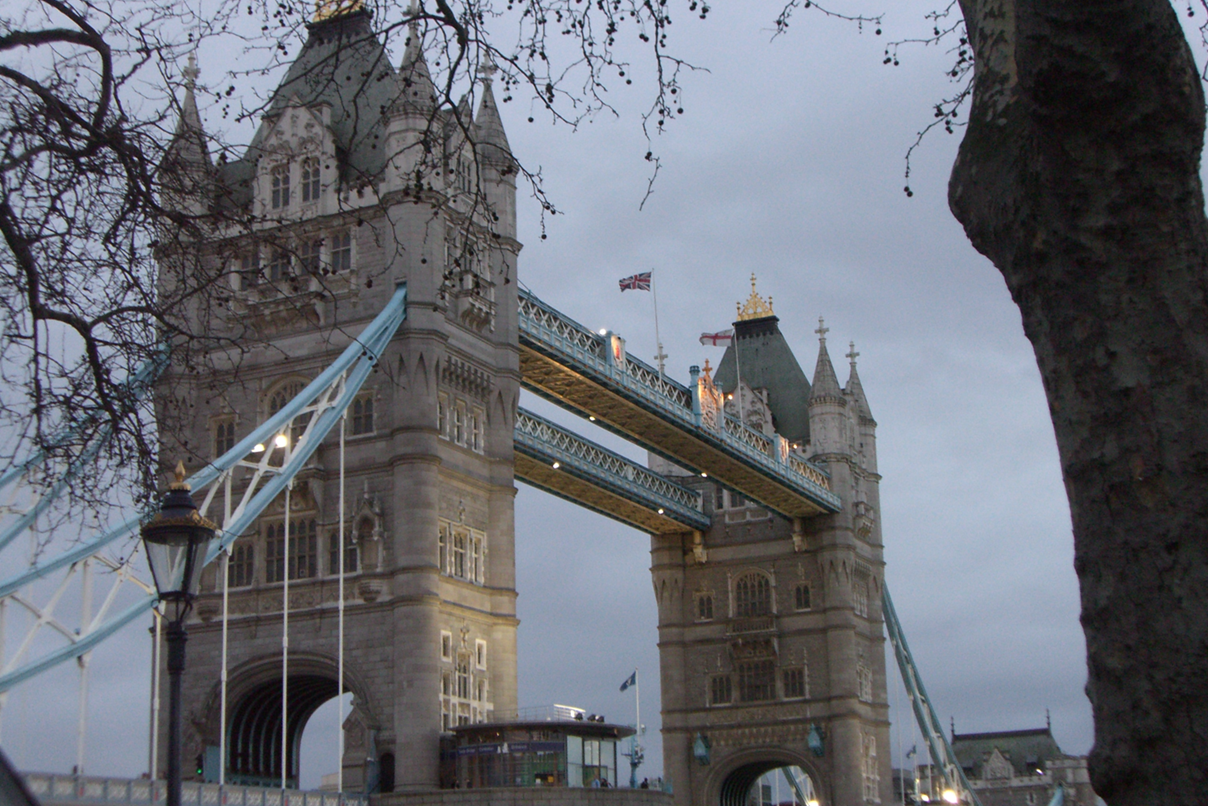
You can walk across the Tower Bridge and it is highly recommended that you do so. You get good views of London and its a fun walk.
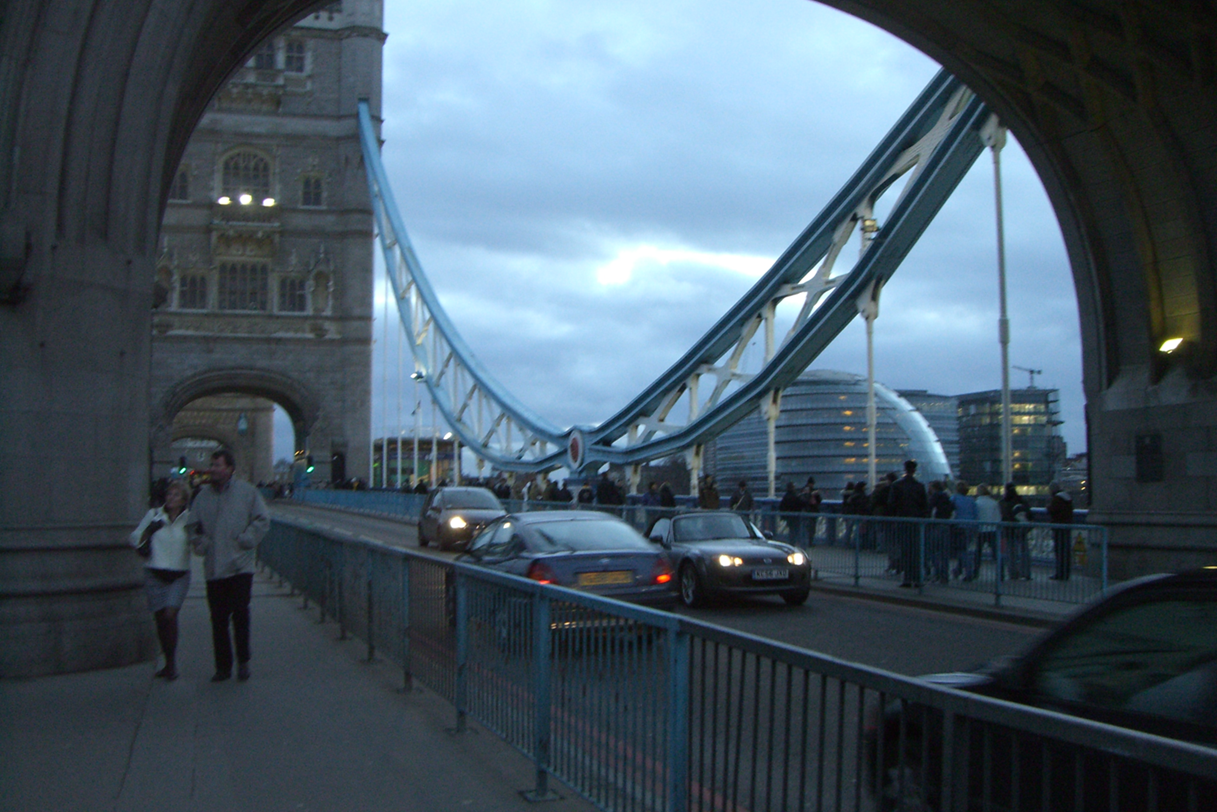
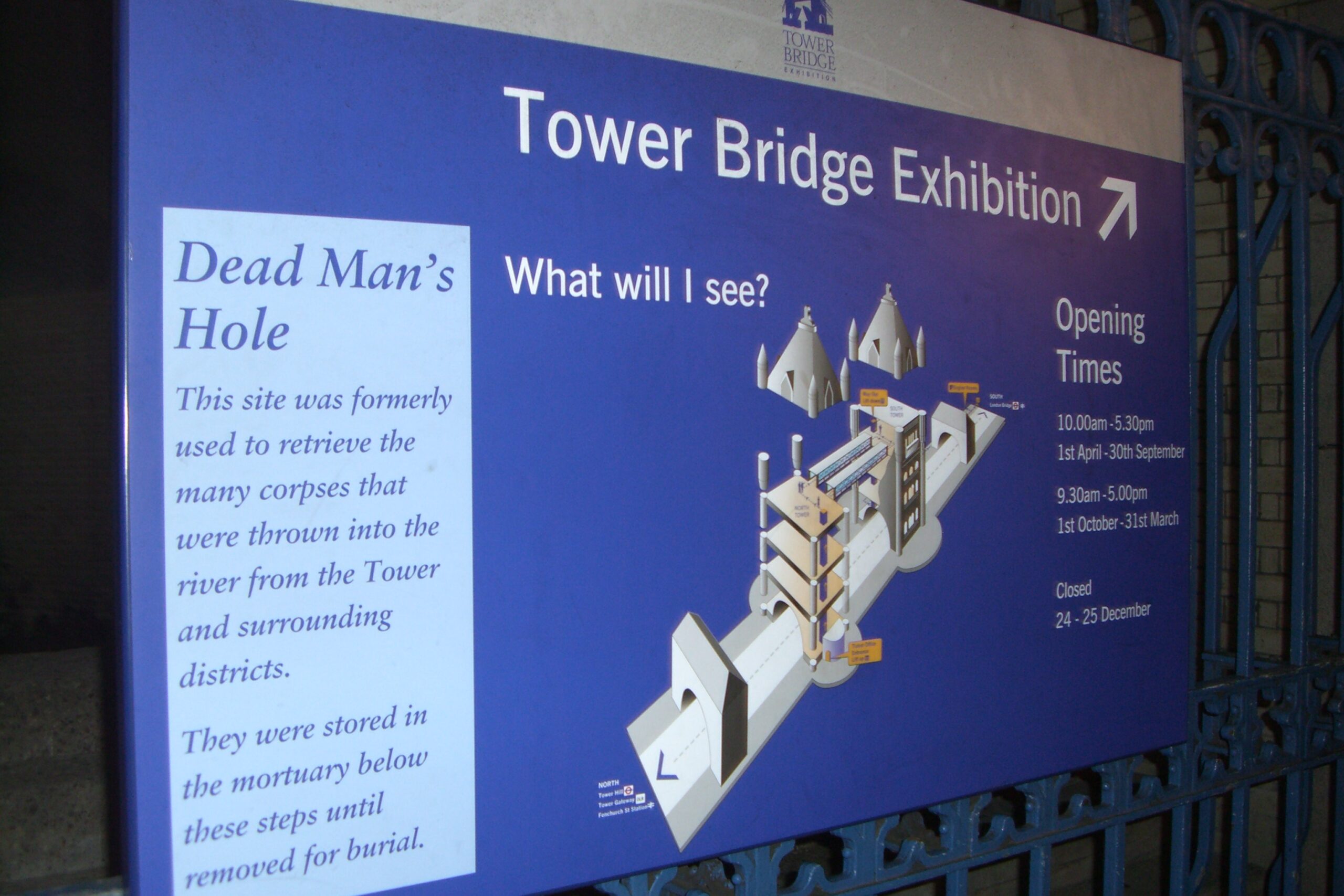
There is a Tower Bridge museum inside the Tower Bridge itself which is also recommended. There is a small fee but you get to walk within the bridge’s towers, high-level walkways, and Victorian engine rooms. The museum has films, photos, and displays to explain why and how the bridge was built.
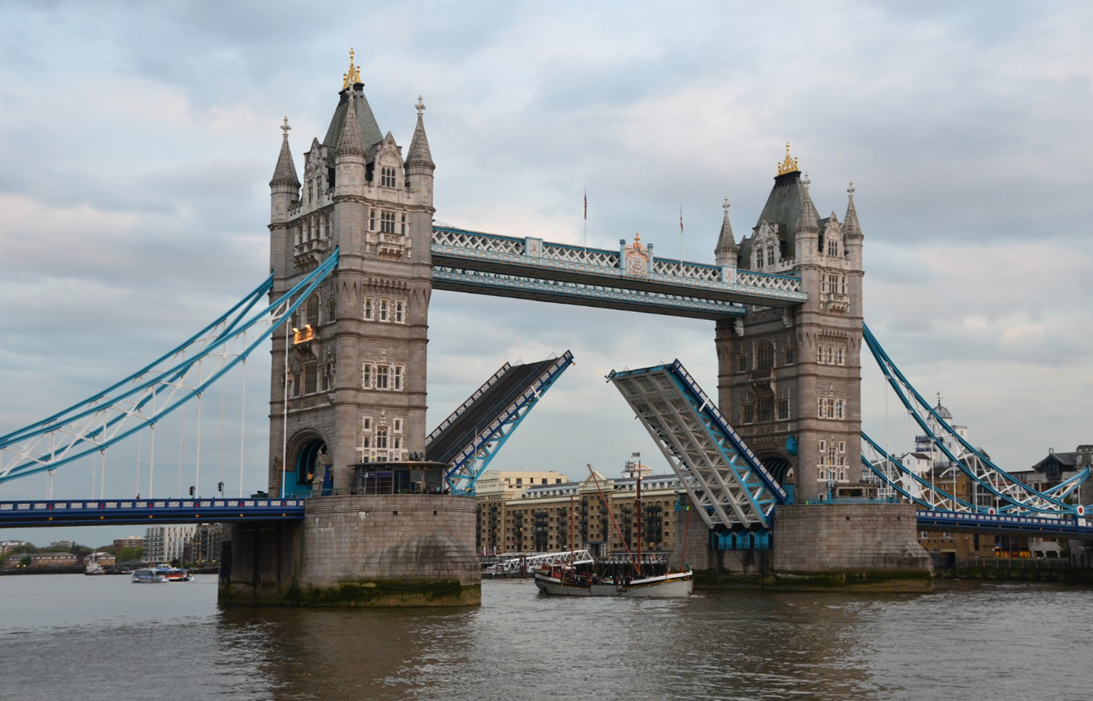
The Tower Bridge has a bottom part that was originally intended to be a draw bridge, but was designed and implemented as a bascule bridge — where each side of the road moves up and down on a hidden pivot, like a seesaw. The reason for the change was that the original engineers found that the weight of the road would have been too much for the towers to hold. Tower Bridge’s bascules supposedly open about 800 times a year to allow tall vessels to pass through.
Stop in the Tower of London
Right next to the Tower Bridge on the North side of the River Thames is the Tower of London. You can explore the Tower of London for a fee — at current writing £37 per adult and £18.50 for children 5 to 15.
- Explore the Fortress — Discover the history and architecture of this iconic 11th-century castle, once a royal residence and prison.
- See the Crown Jewels — Marvel at the dazzling collection of royal regalia, including the Koh-i-Noor diamond.
- Witness the Yeoman Warders — Attend the daily Ceremony of the Keys and meet the famous Beefeaters who guard the Tower.
4. Stop in Free Museums — Such as the British Museum
It is said that no city in the world has as many amazing museums you can get into completely free as London. Here are some recommendations:
- The British Museum
- The National Gallery
- The National Portrait Gallery
- Wallace Collection
- Victoria & Albert Museum
- Science Museum
- National History Museum and
- Tate galleries.
Museums often have propaganda in them so you have to watch what you’re watching, but if you keep that in mind, there are some thought-provoking things to see.
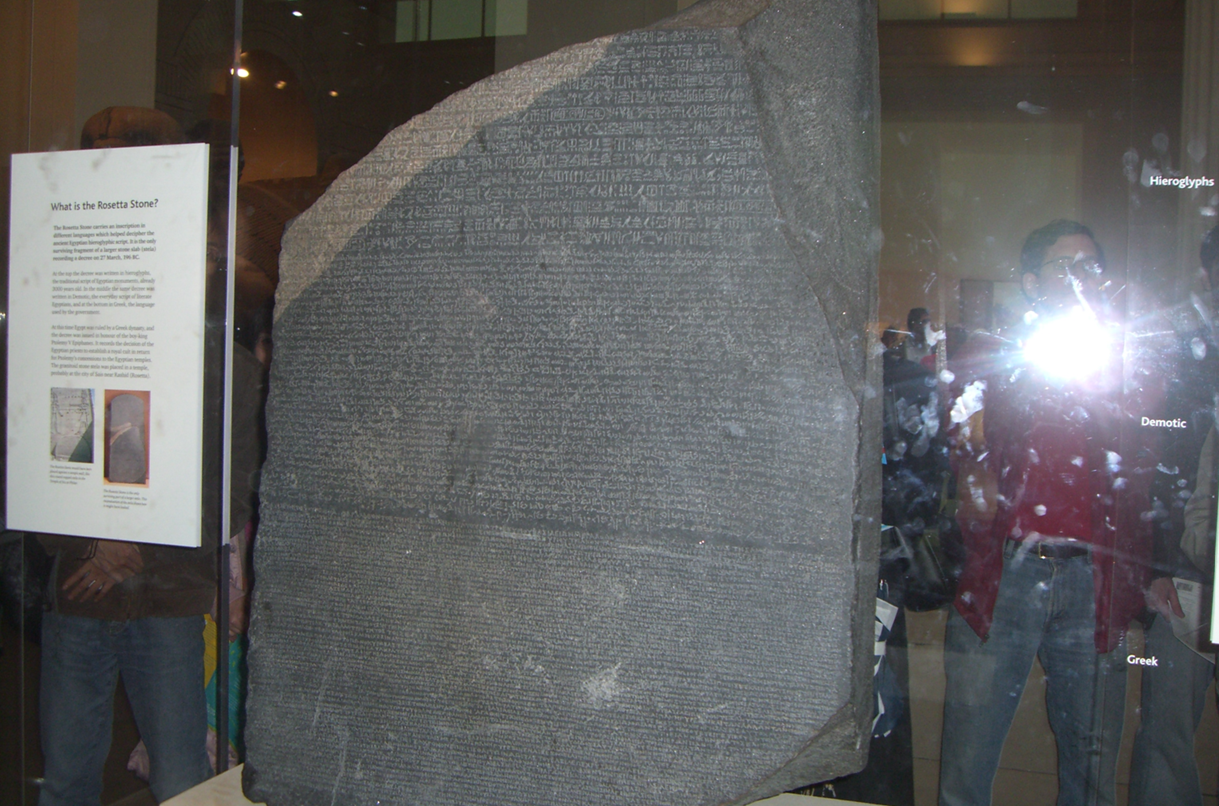
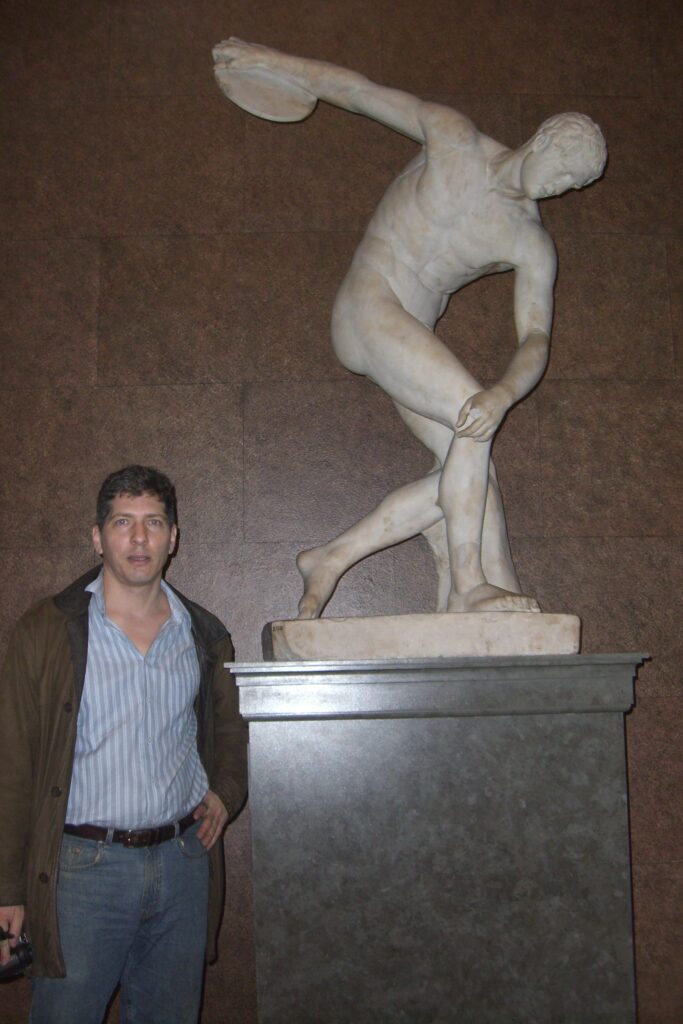
For example, The British Museum carries 8 million objects spanning 2 million years of human history and culture including the Rosetta Stone, Parthenon Sculptures, and the Mummy of Katebet.
5. Watch the Changing of the Guard at Buckingham Palace
Another “London thing to do” is watch the changing of the guards at Buckingham Palace. It’s free to do so.
Buckingham Palace is in the Westminster area of London (see map above).
For a fee you can take a tour of Buckingham Palace — exploring its grand interiors including the Throne Room and wander through the lush Royal Gardens. There is a fee — the tour at current writing is £48 for adults, £31 for young adults aged 18-24, and £24 for children age 5-17).
6. Stop by Westminster Abbey
Westminster Abbey is a magnificent church with stunning Gothic architecture and amazing craftsmanship. The abbey has been the site of royal weddings, coronations, and burials for centuries.
Travel Tips:
- Before you go, be sure to examine the spelling (and therefore pronunciation) of the word — it is Westminster (no second ‘i’) not Westminister.
- Also before you go, note this quote from Charles Clark found on the internet: “Avoid Westminster like the plague on a weekend, especially during summer. It’s chaos.”
You can view Westminster Abbey from the outside for free. You can also view the Tomb of the Unknown Warrior — the symbolic grave honoring all those who have fallen in war.
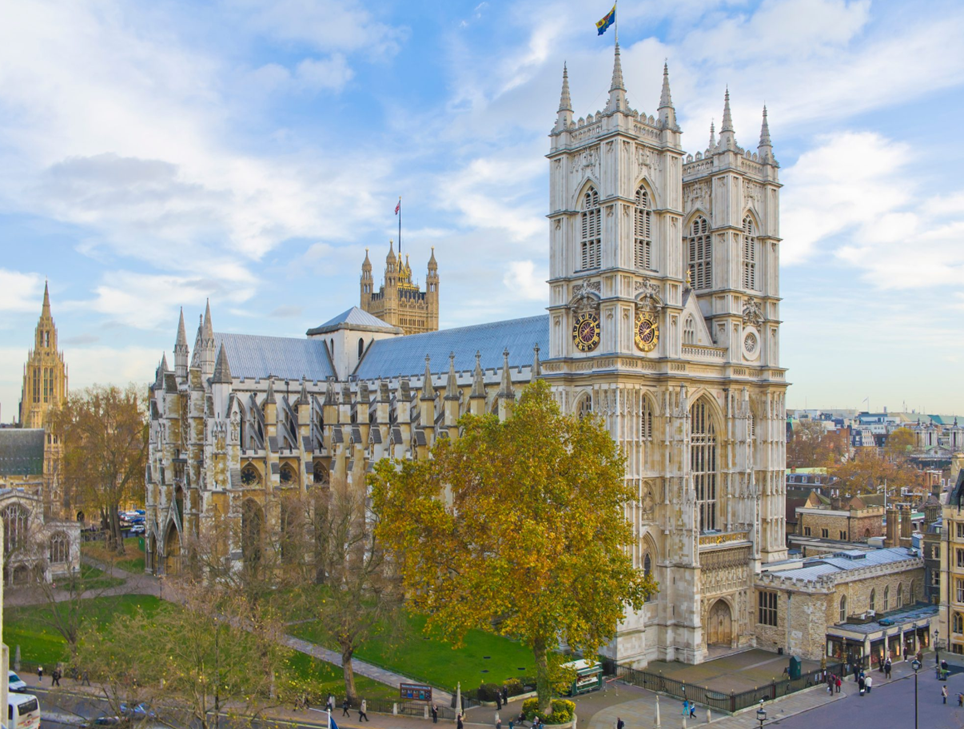
You can pay for a tour if you wish to see to go inside and view the Royal Tombs, Poets’ Corner (Memorials and tributes to some of Britain’s most renowned literary figures), or other historic monuments. At current writing the tour is £31 for an adult; less for children.
7. Big Ben & Churchill’s Statue in Westminster
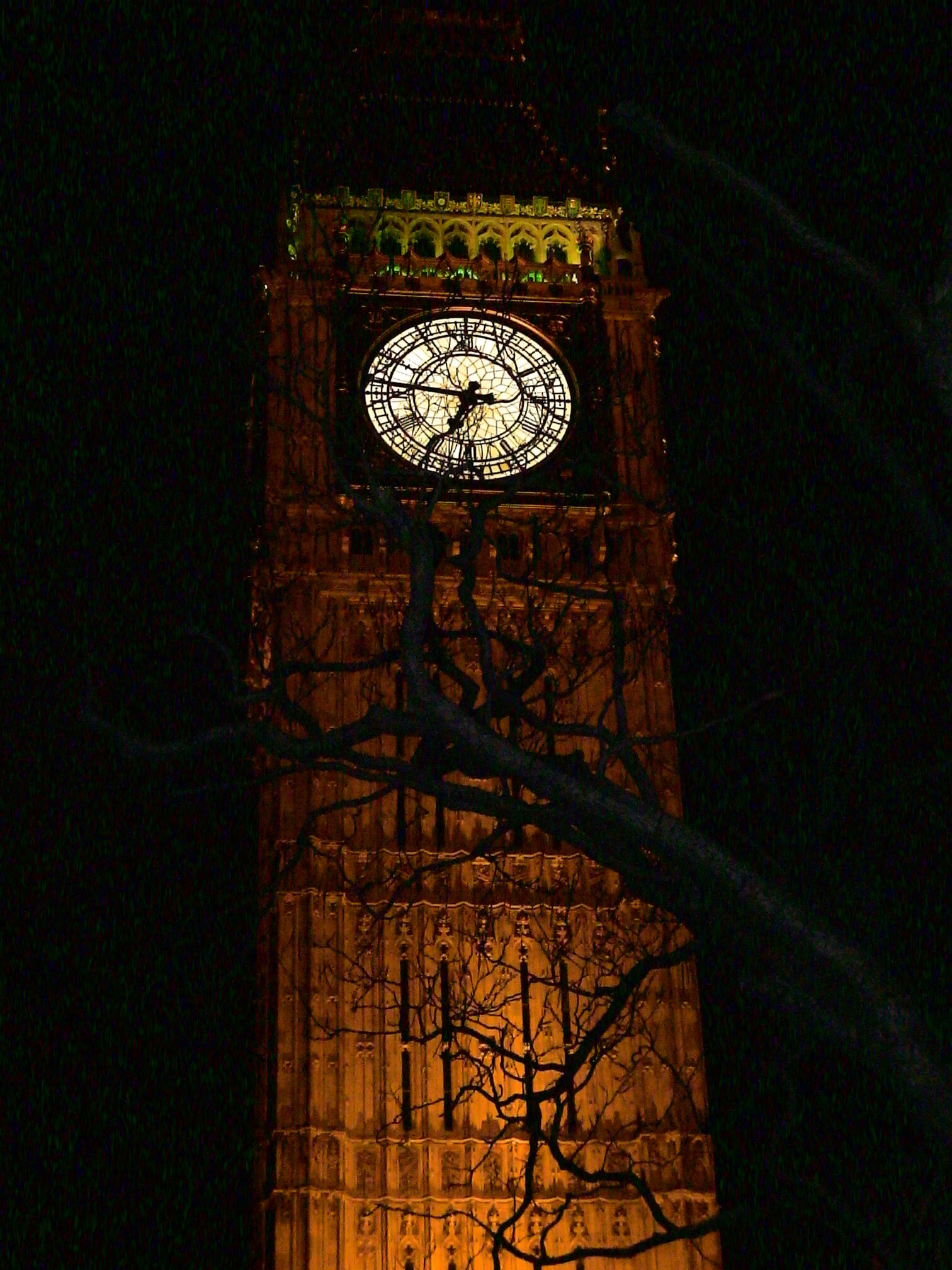
Don’t leave London without seeing Big Ben — preferably at night. It is found in the Elizabeth Tower at the north end of The Houses of Parliament in Westminster, Central London, next to the river Thames.
While you are there you should view Winston Churchill’s statue, which is also in Westminister — in Parliament Square, opposite the Palace of Westminster. It occupies the spot Churchill himself indicated in the 1950s, saying, “That is where my statue will go.”
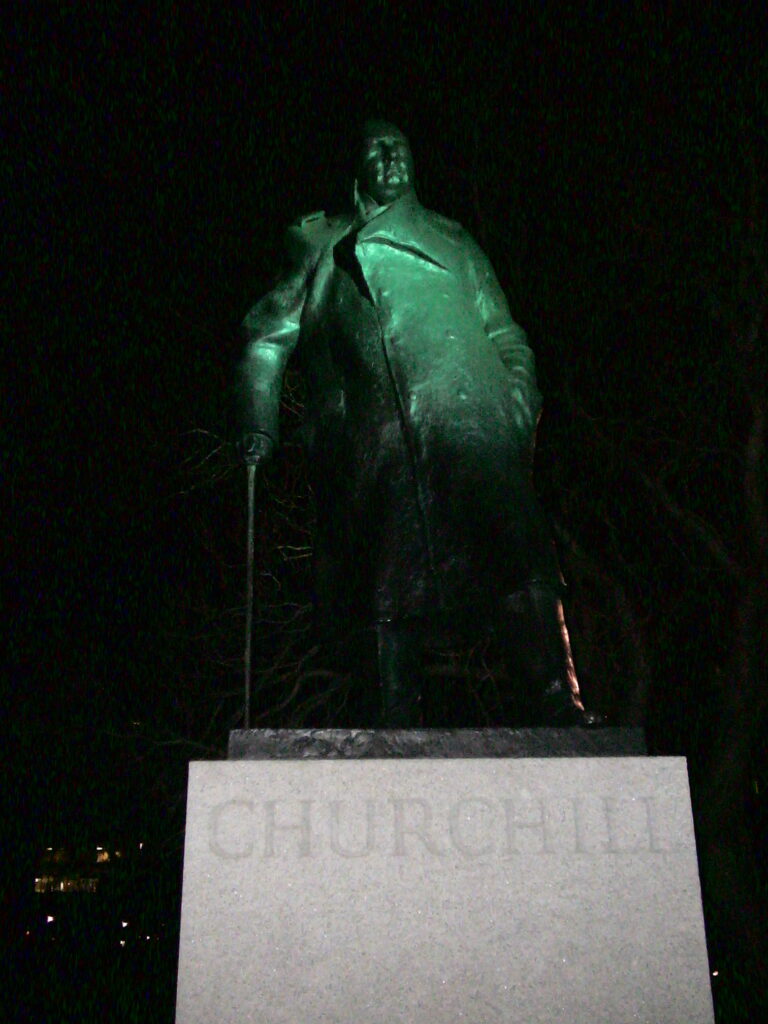
The iconic bronze statue of Winston Churchill was designed and created by Ivor Roberts-Jones and unveiled in 1973. It is 12 feet high, made of bronze, and stands on an 8-foot white stone plinth with “CHURCHILL” inscribed on it. Churchill is shown wearing a military greatcoat and leaning on a walking stick — a pose inspired by a photograph of him inspecting the House of Commons after it was bombed in May 1941.
8. Stop in Hyde Park
Hyde Park is London’s version of Central Park in NYC. It is a 350-acre park. You can rent a bike, go for a jog, or rent a boat on Serpentine lake.
9. Hit Some Pubs & Clubs
London is known for its dance clubs, and for its pubs. Two completely different environments.
9a. Recommended Pubs
There are Pub Crawl tours — but you can do your own. Here are some of the most known London pubs:
- The Harp, in Covent Garden
- Audley Public House, in Mayfair
- The Royal Oak, in Marylebone
- The Devonshire, in Piccadilly
- The Newman Arms, in Fitzrovia
- The Guinea Grill, in Mayfair
- Jamaica Wine House, in The City
- Ye Olde Mitre, in Clerkenwell
- Princess Louise, in Holborn
- The French House, in Soho
- The Grenadier, in Belgravia
- The King’s Arms, in Waterloo
- Hermits Cave, in Camberwell
Here is a list of 42 pubs put out by CNN Traveller:
https://www.cntraveller.com/gallery/best-pubs-in-london
9b. Recommended Clubs
The Club scene is completely different. Here are some well known clubs:
- Ministry of Sound (in Elephant & Castle area in South London): Famous as a world leading superclub with world-class sound systems, and superstar DJs.
- fabric (in Farringdon): A legendary multi-room underground club globally renowned for techno, house, and drum & bass.
- FOLD (in Canning Town): Known for heavy industrial sounds and 24-hour marathon parties.
- XOYO (in Shoreditch): Known for high-energy electronic and hip-hop bookings.
- Cirque le Soir (in Mayfair): Extremely popular for luxury, celebrity sightings, and theatrical, circus-themed VIP nightlife
Travel Tip for London Clubs:
From Will Heilpern on the internet: “As a man, avoid Mayfair clubs like the plague. Unless you have a hareem of women with you, prepare to be rejected by the doorman. Inside is even worse: don’t be shocked to see the cheapest drinks hitting triple digits.”
Other Things to Do
Take a River Thames Cruise
Choose from a variety of cruise durations to fit your schedule, from 30 minutes to 2 hours.
Get a Good Bird’s Eye View of the City for Free
The London Eye offers great views of the city for a fee — but you can get great views for free at the following locations:
- The Tower Bridge (see above).
- The Sky Garden (during the day), or
- The rooftop terrace on the Tate Modern’s Switch House.
Visit Stonehenge
Places to Stay
Your best bet is to check hotels on Expedia or Hotels.com or other travel sites for recommendations in your price range.
Renting a Car
If your trip includes visiting places outside London, you might want to rent a car.
Even though everyone drives on the other side of the street in the UK, and the steering wheel is on the other side of the car — you should be able to easily rent a car if you have a valid US driver’s license.
I have found driving is easier in England than crossing the street — because when you are driving you simply follow the traffic, whereas when you cross the street you have the natural instinct to look the wrong way and cross the street with a car screaming at you from the other direction.
Other Sources
Be the first to comment